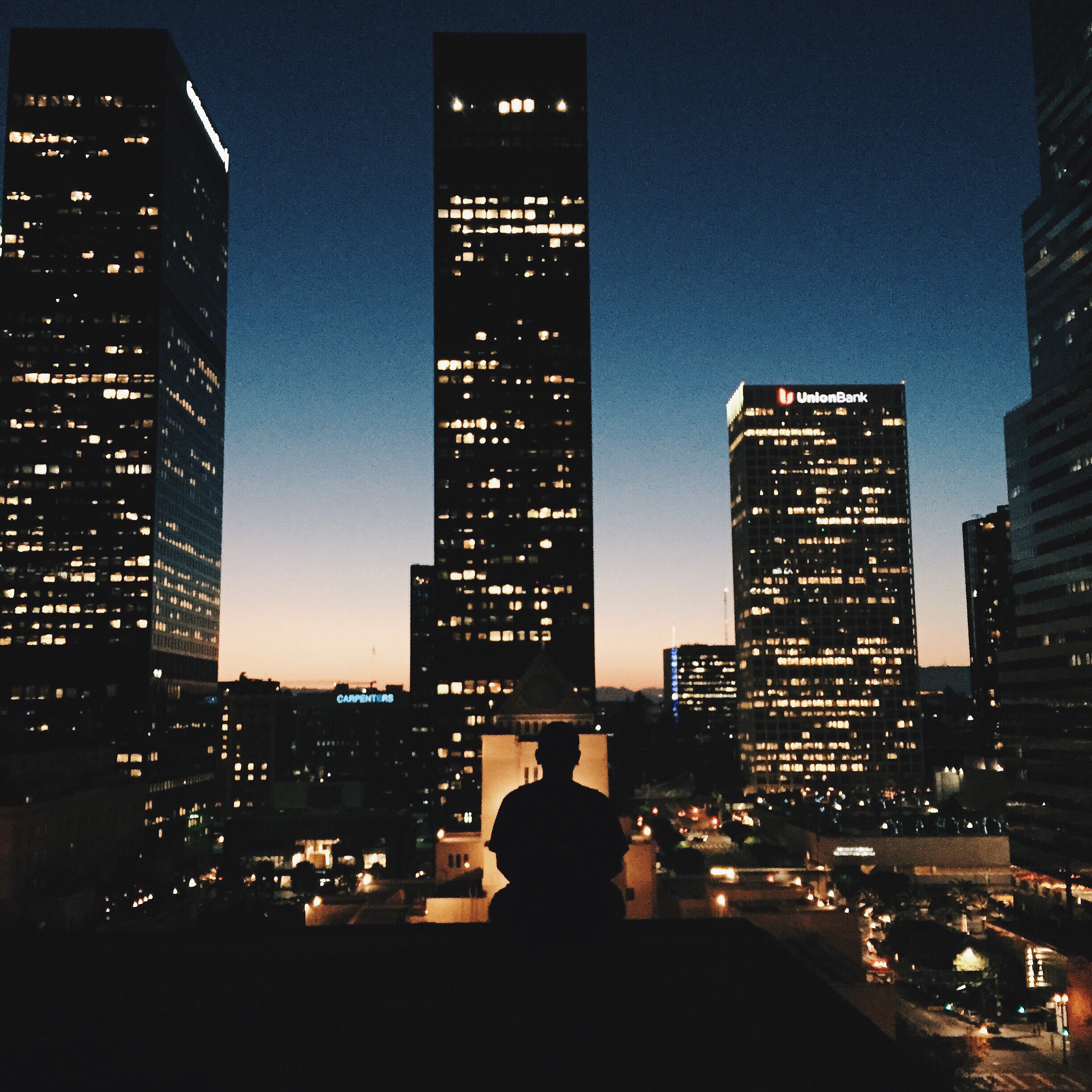
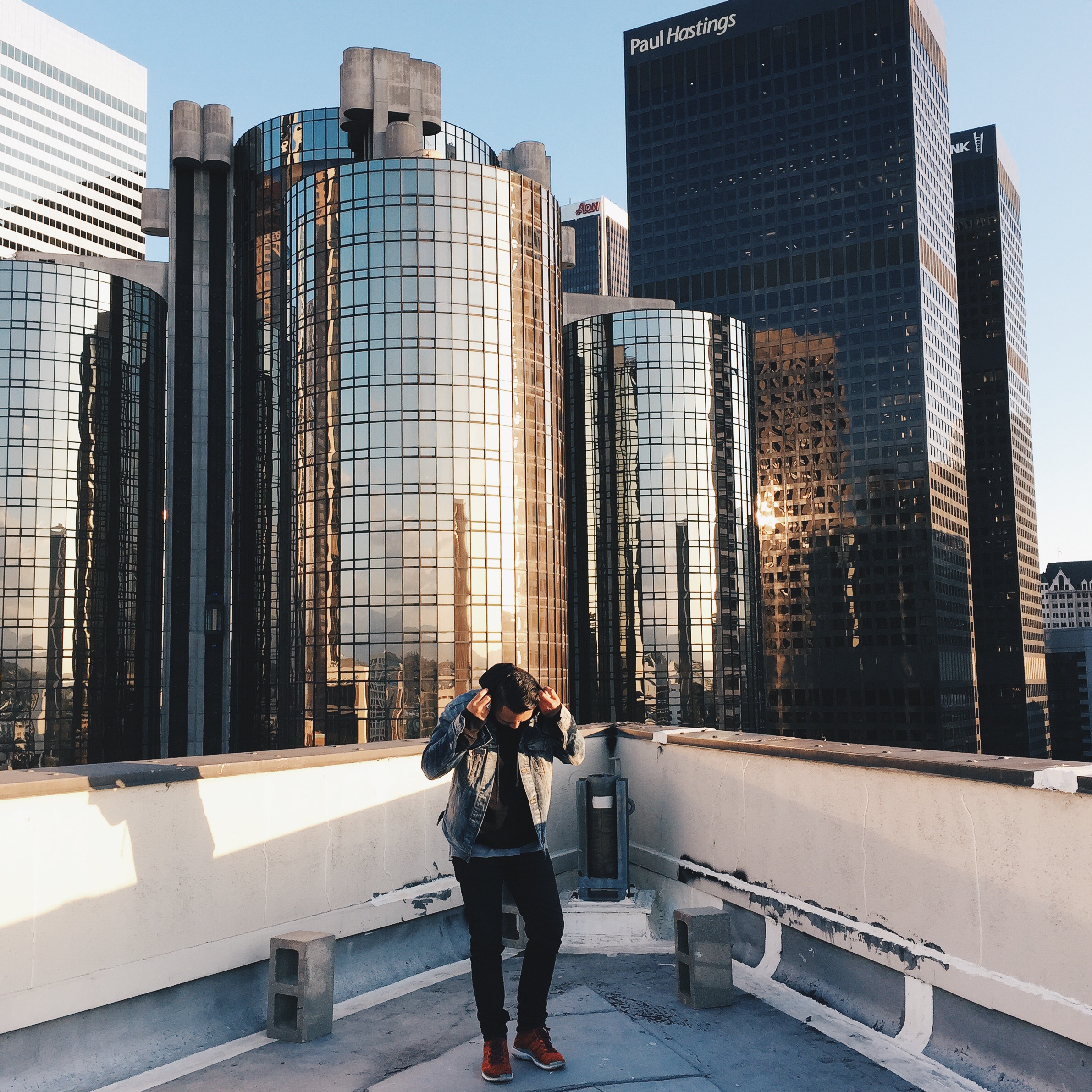
 Happy Friday and I’m back in the city to enjoy this view. I often get asked the question, “What excites you about rooftops and what brought you to this fascination?” The answer to that question is simple and it’s serotonin overload. Starting from the bottom and ending up at the top gives me a natural high that triggers my endorphin level. Call me crazy, but scaling walls and climbing high rooftops contribute to my well-being and happiness. I guess living on the edge is something I’ve always been known for so I figured I’d snap a few photos while I’m up here and call it art. Life’s short so why not live on the edge & enjoy the view in the process.
Category / LA.
TUNNEL VISION.
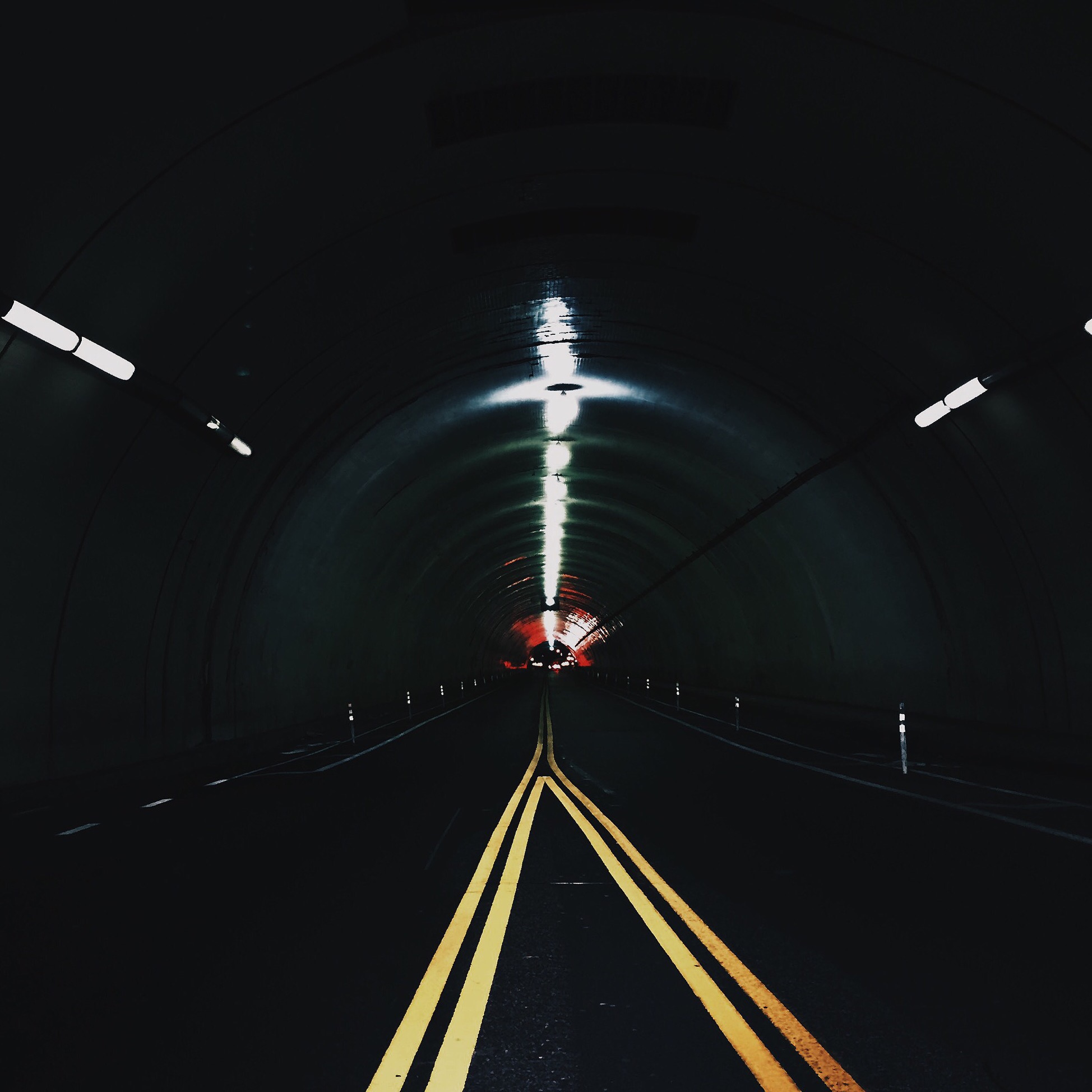 You can find beauty in the strangest of places, even in the tainted odor of this popular second street tunnel in DTLA. Today, this famous tunnel is considered a recognizable landmark that can be seen in car commercials and movies. The tunnel stretches at a total of 1,500 feet giving it a unique hue of light desirable to anyone who enters what many call, “one big light box.” The textures from the white glazed tile that surround the tunnel provide a glossy finish that appeals to anyone who enjoys taking photos. To me, it’s pure ecstasy when I’m able to capture the beauty and light of something so simple, yet so fascinating to the unaided eye.
PERSPECTIVE.
 Take note of the small things. It makes life that much more beautiful.
FLYKNIT FRIDAY.
BAILEY HOUSE. CASE STUDY #21
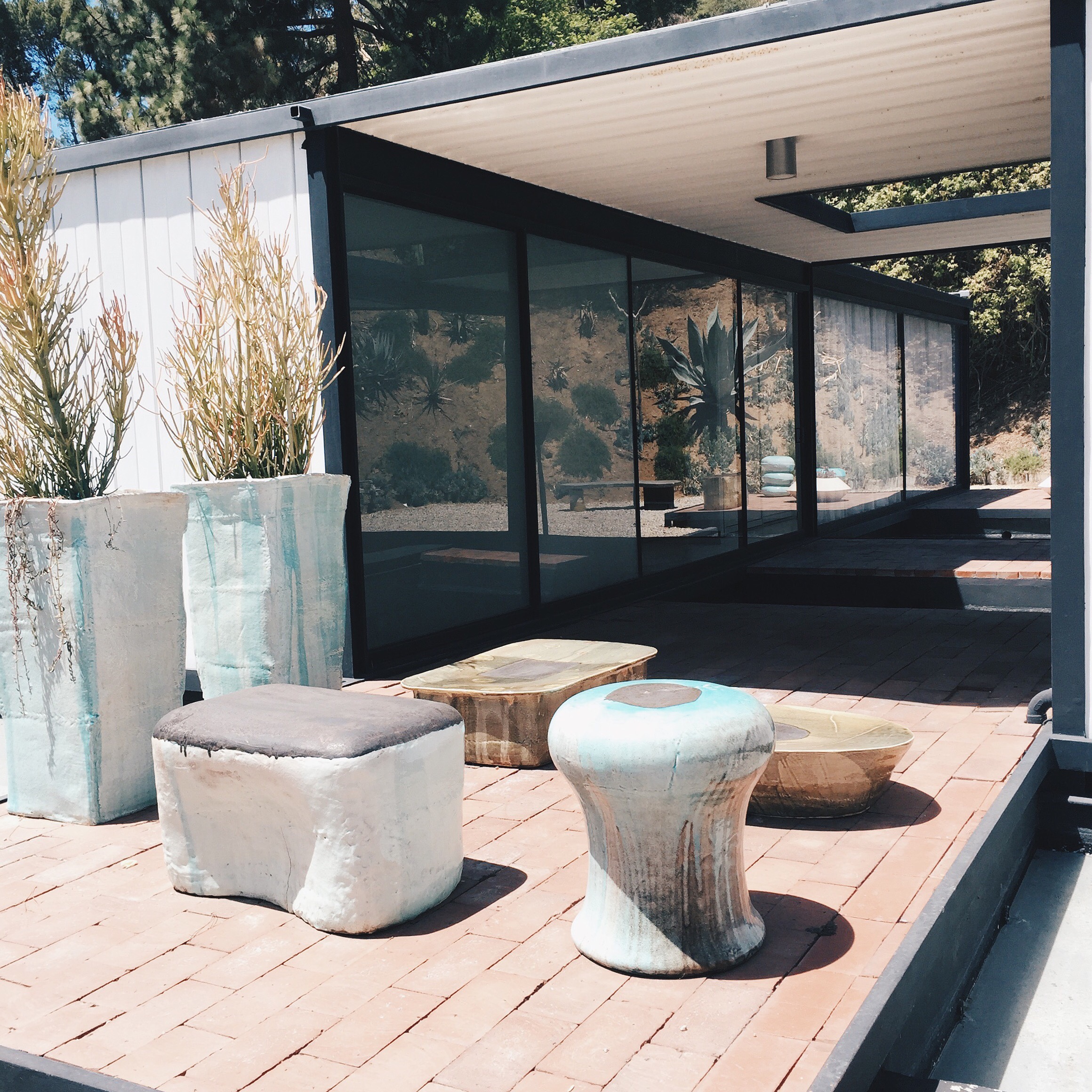
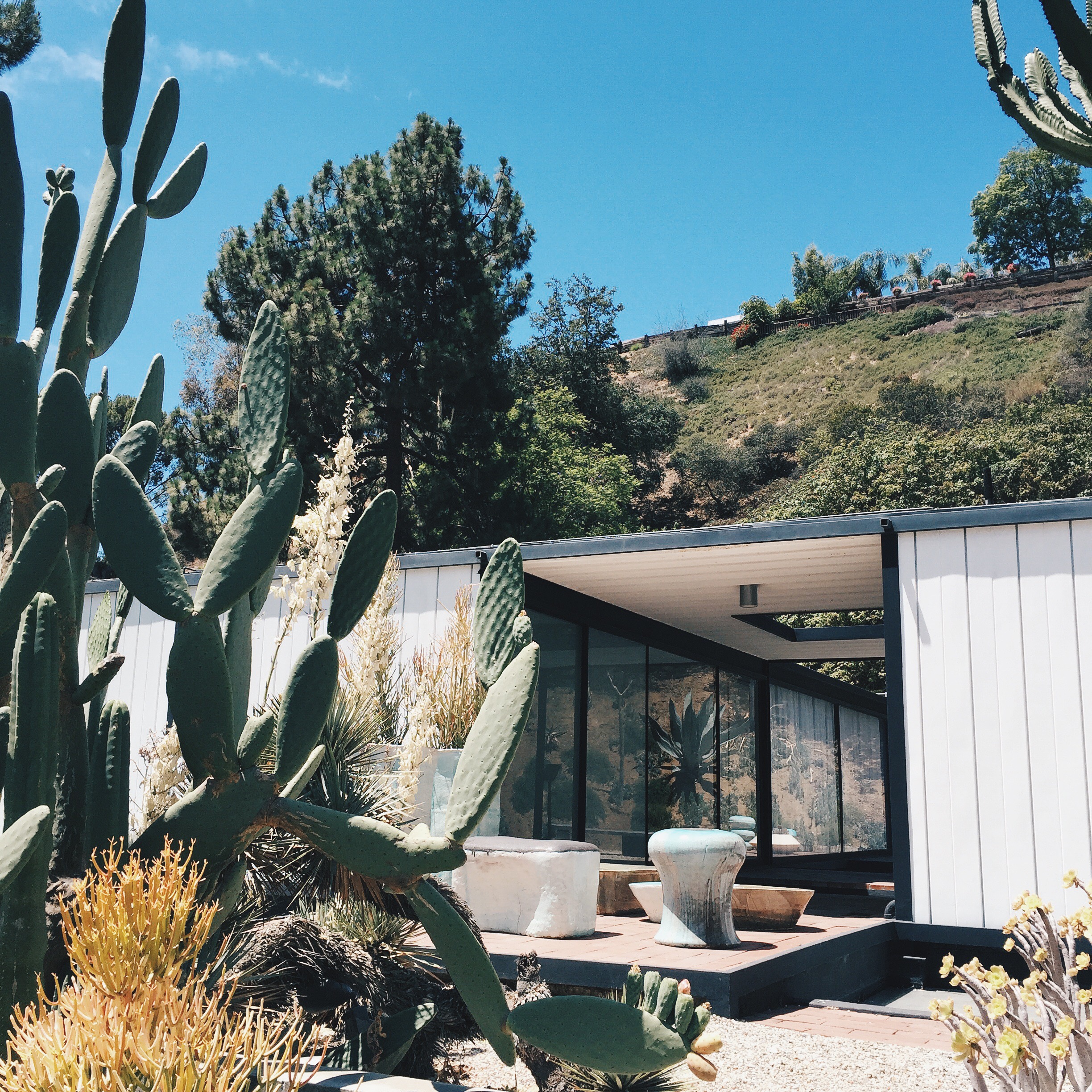
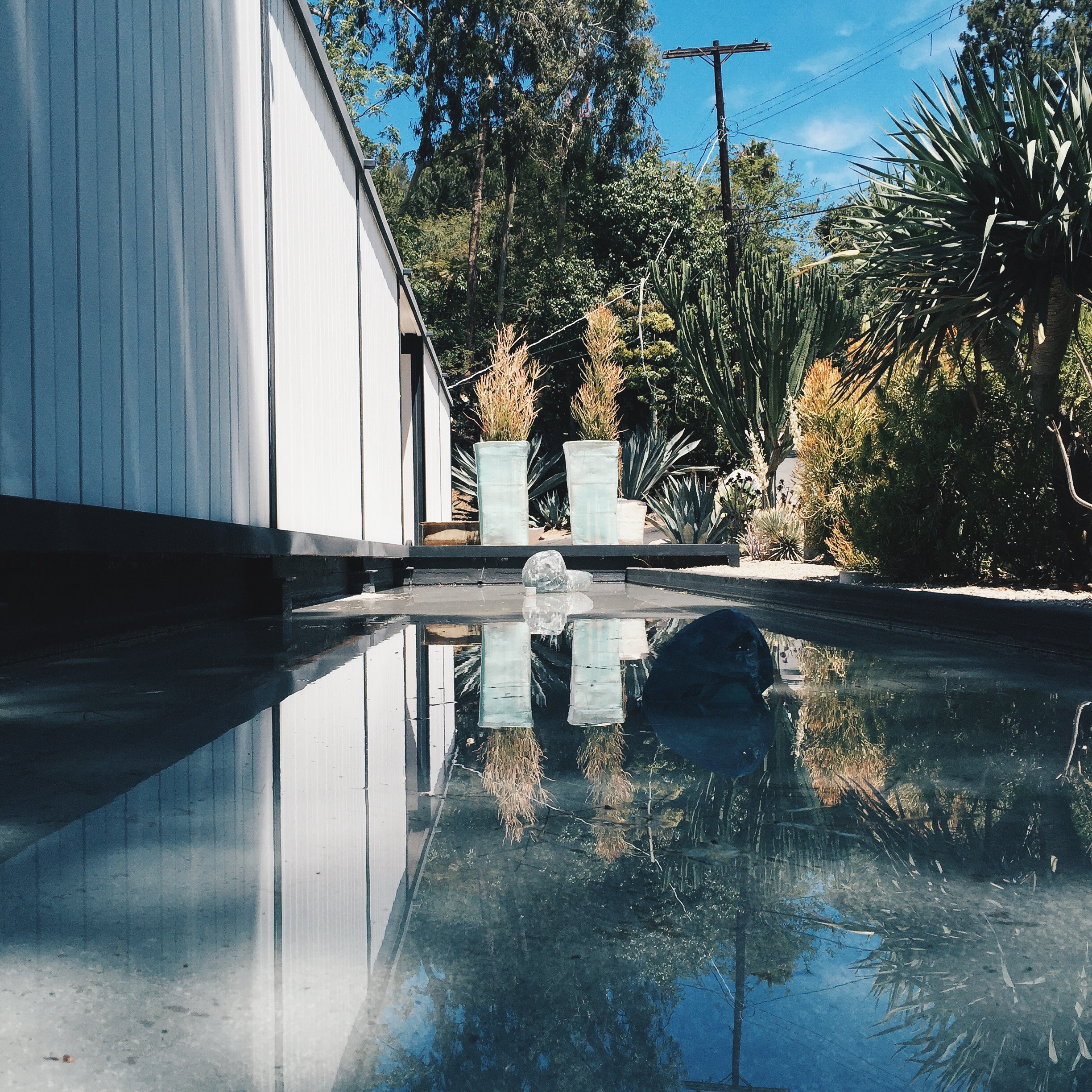
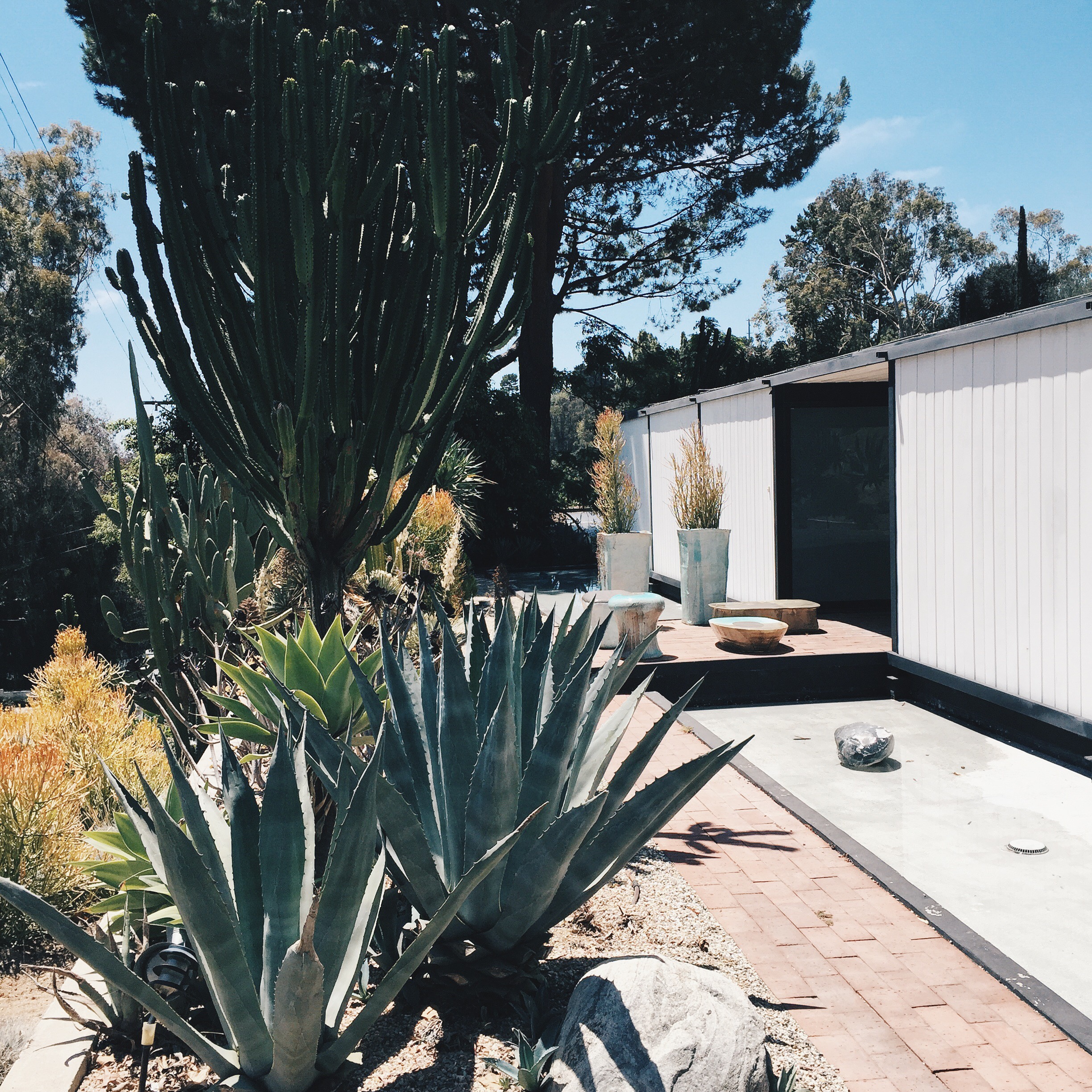
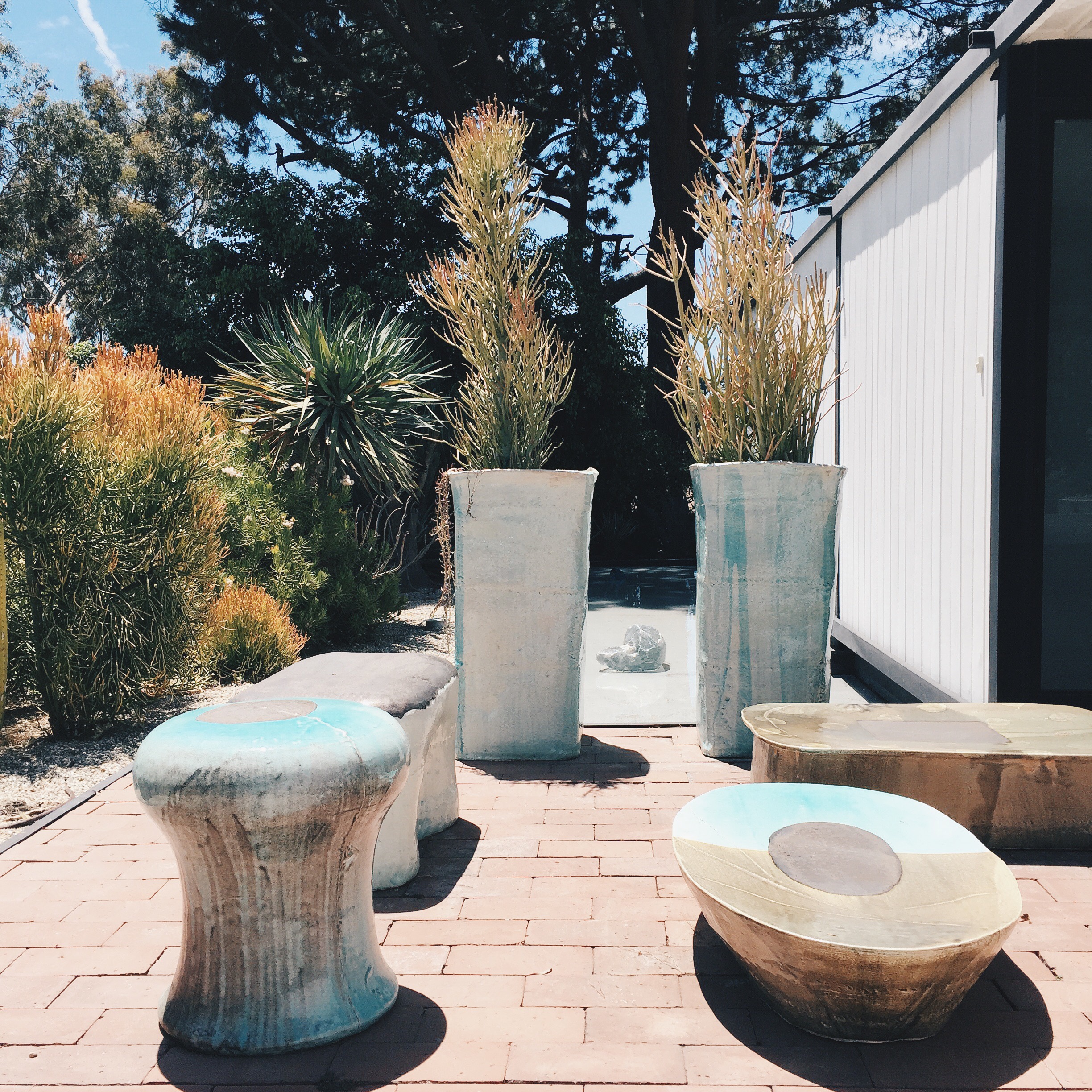
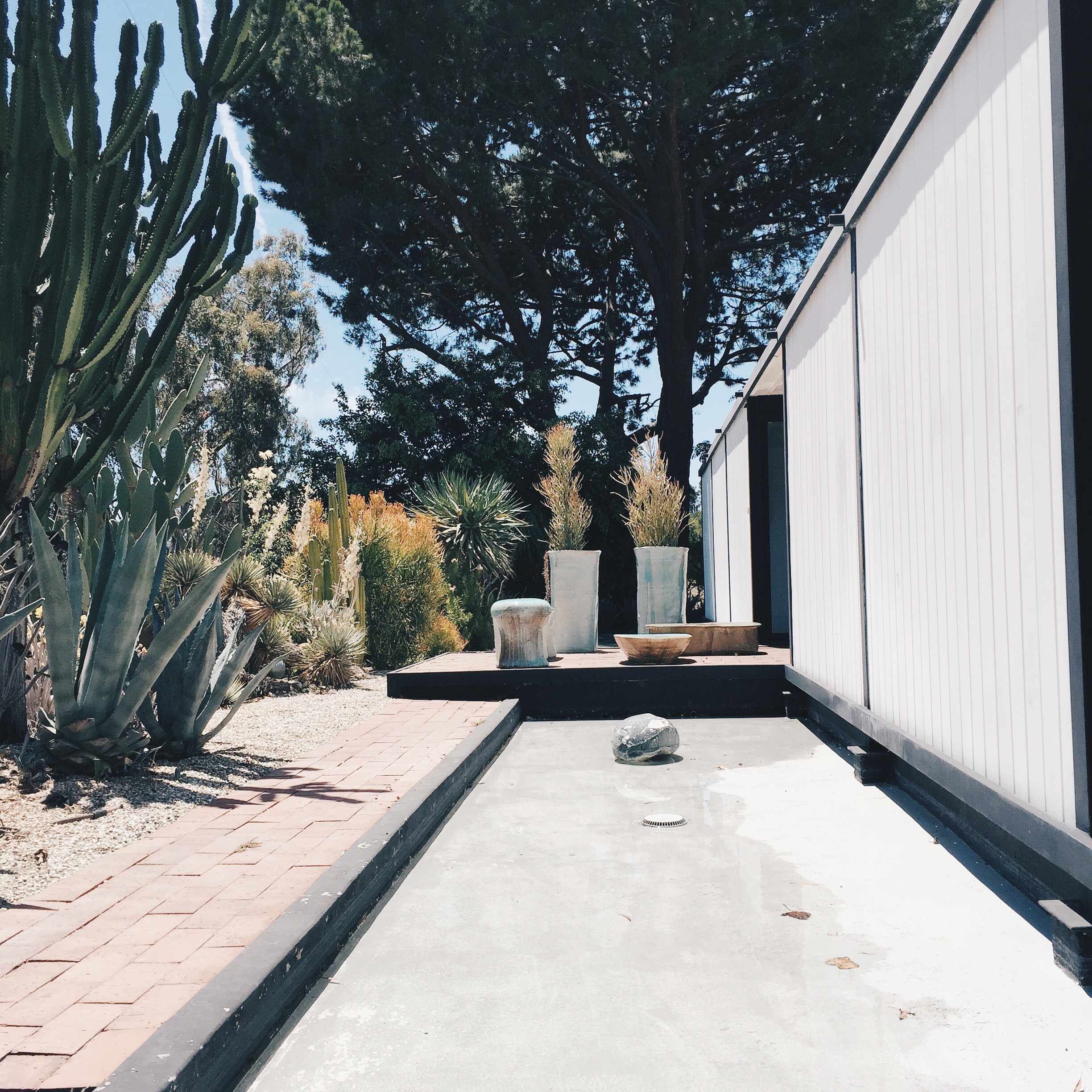
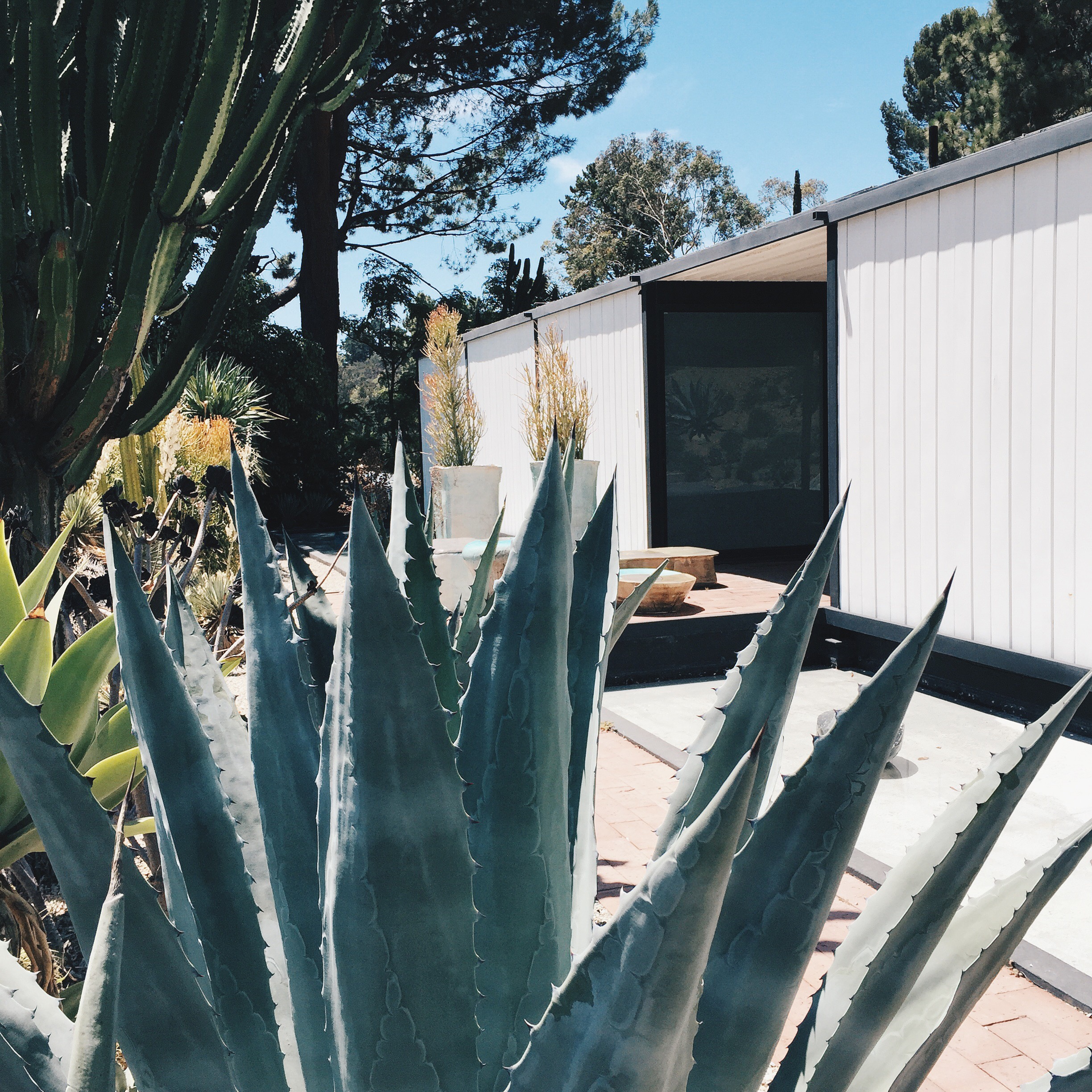 Renowned architect Pierre Koenig is famed for his steel-framed houses, most famously the Stahl House (Case Study House #22), which overlooks all of Los Angeles from the Hollywood Hills. Less well known but no less admired is Koenig’s earlier Bailey House (Case Study House #21), which is tucked into those same Hollywood Hills on a small, nondescript lot. He designed it for psychologist Walter Bailey and his wife Mary, a contemporary-minded couple who wanted a small house in the Mid-Century Modern style. Unlike many other homeowners, the Baileys were open to the idea of a steel-framed house, and Koenig was able to realize his vision of an open plan design that was both affordable and beautiful. Completed in 1959, the Bailey House was envisioned as a prototype for modern housing that could be produced on a large scale, perfectly in keeping with the goals of Arts + Architecture magazine’s Case Study House program. It is a simple one-story box with a flat roof, built mostly of steel and glass.
SCHEMING.
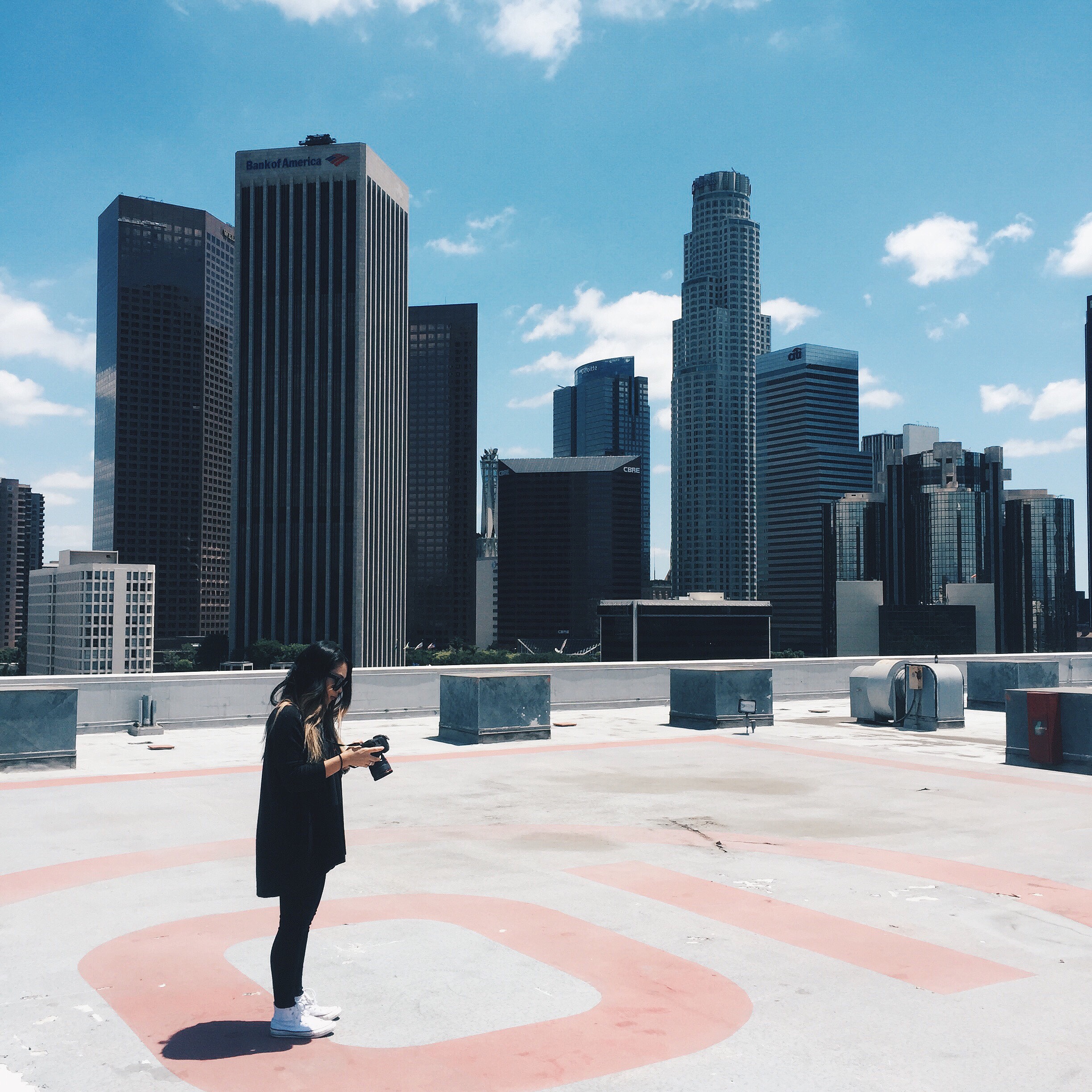
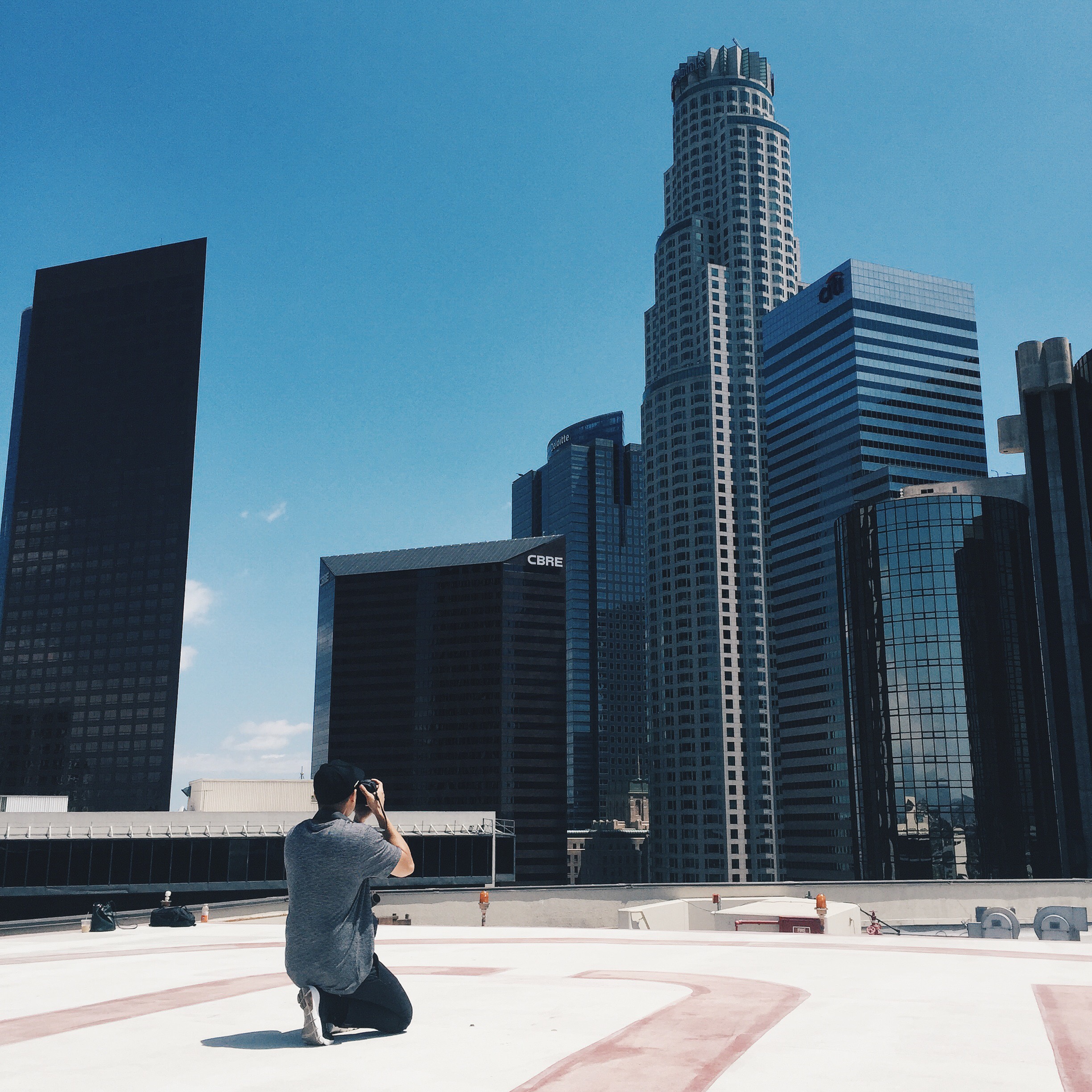
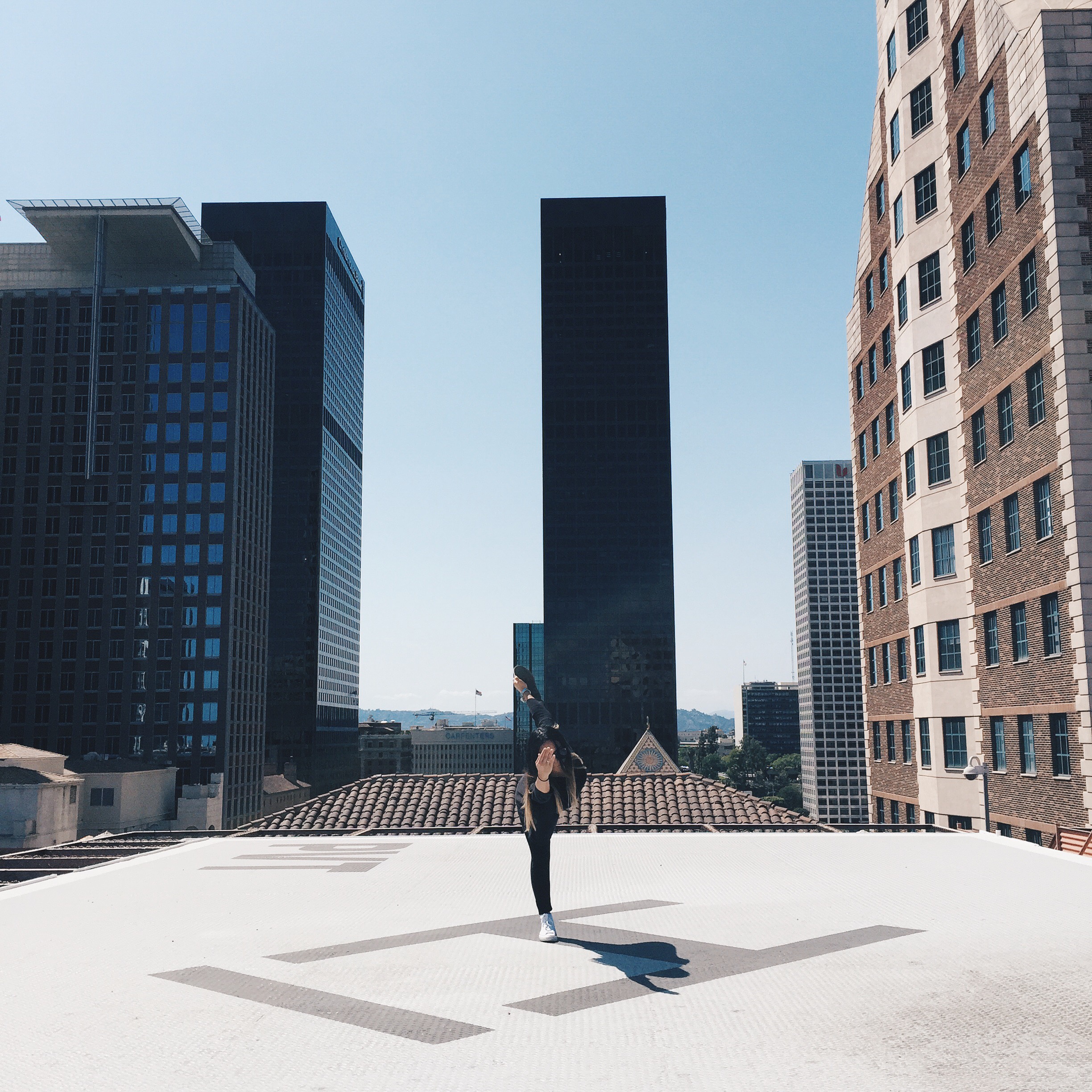

DTLA.
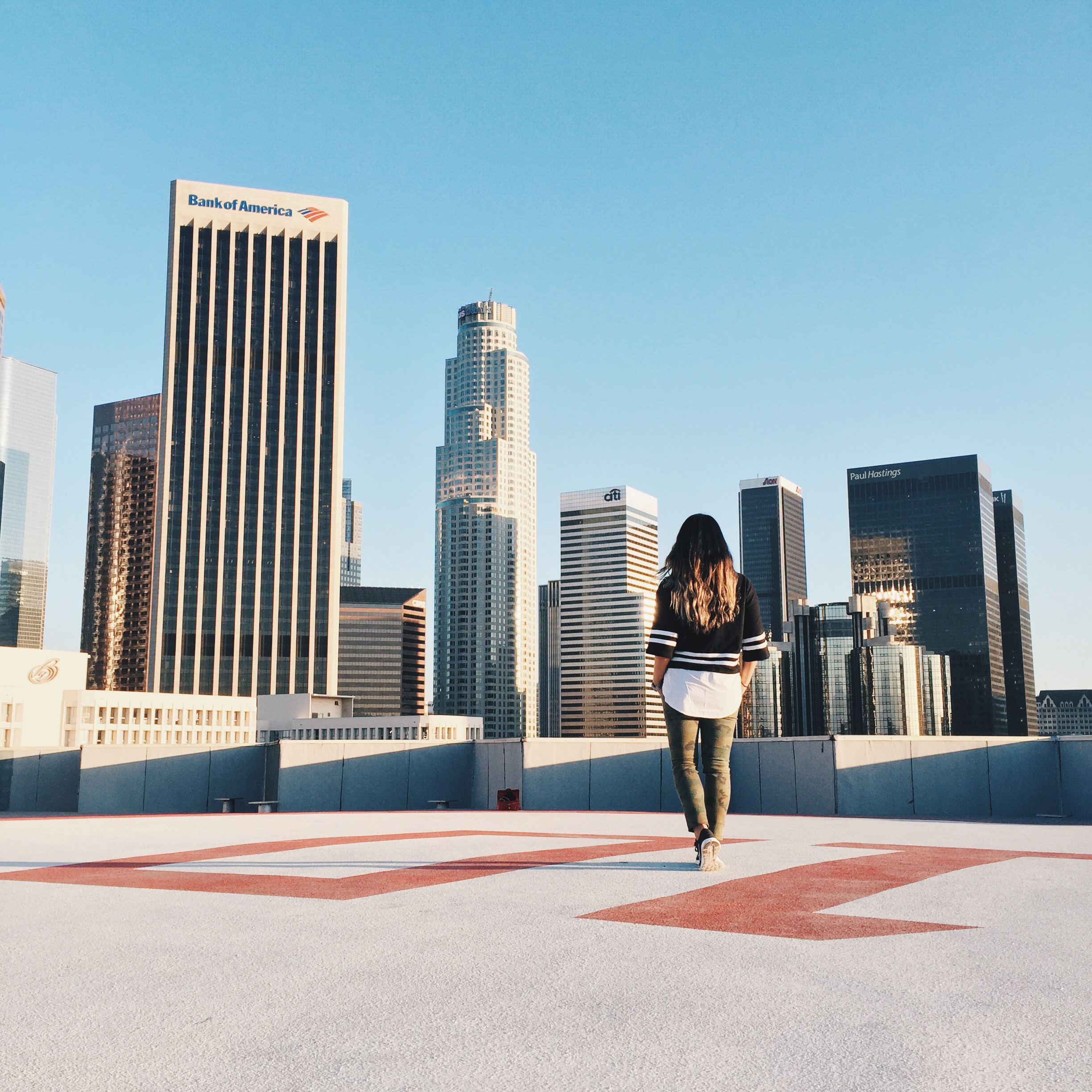
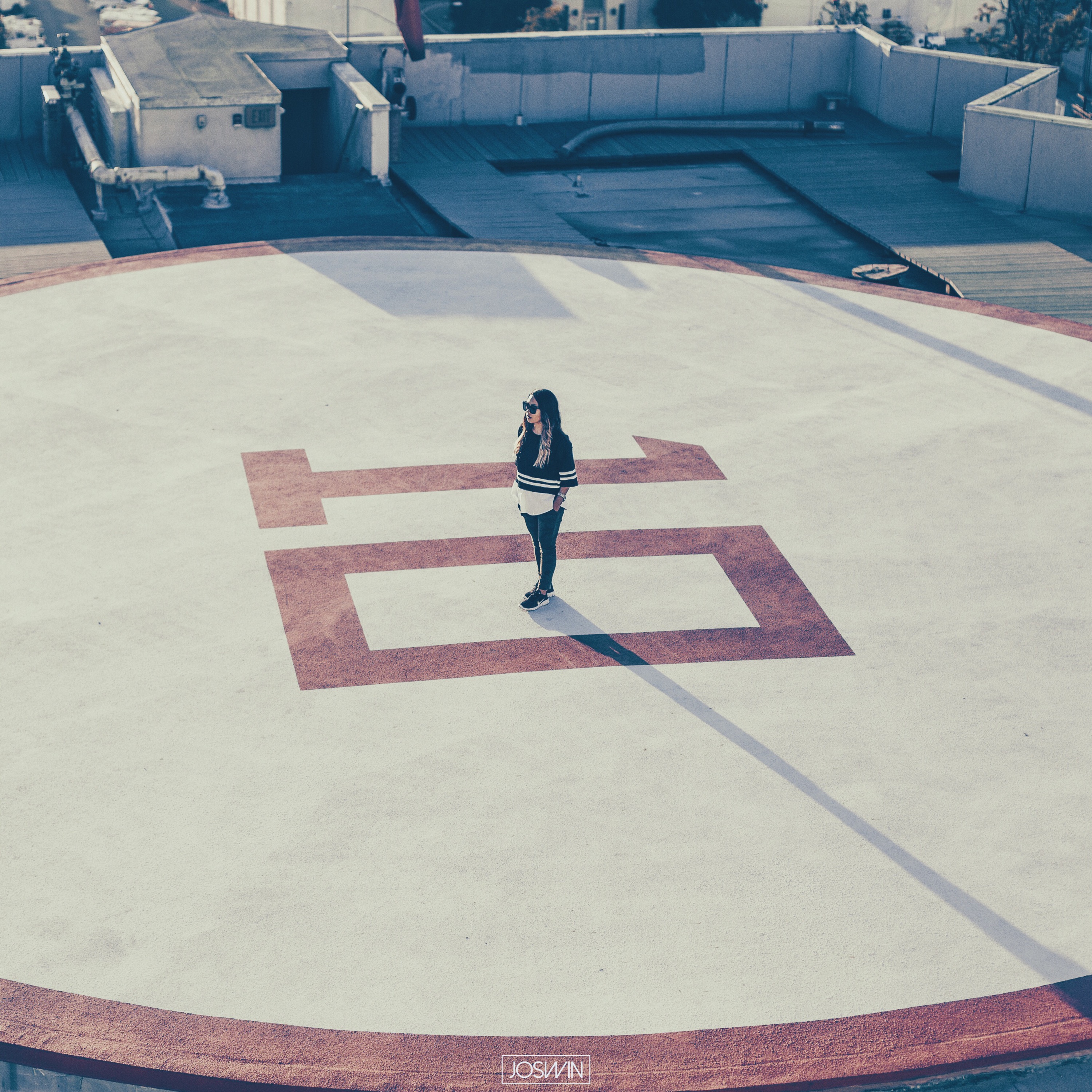

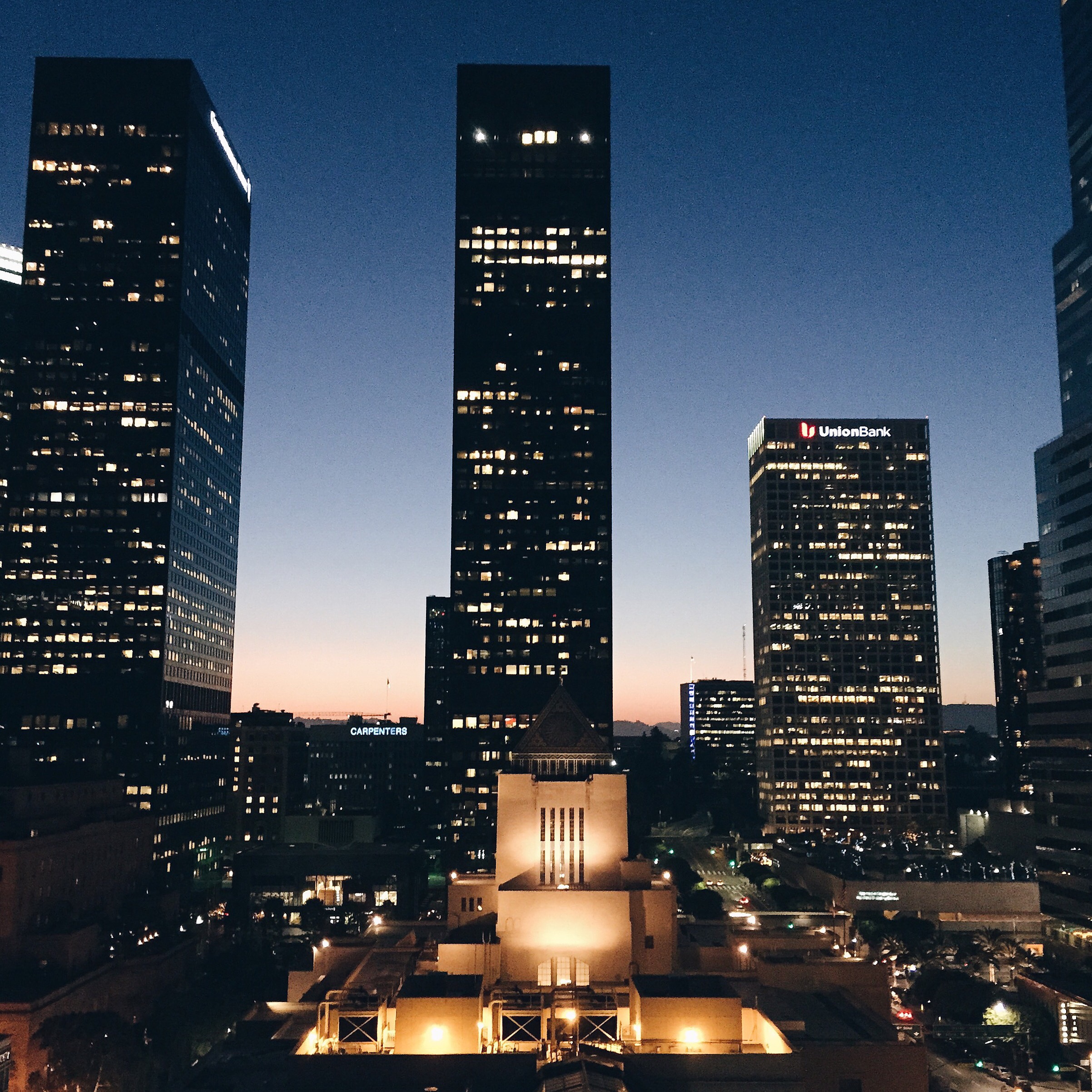 Keeping my head, heels & standards high with this view.
S U N D A Z E.
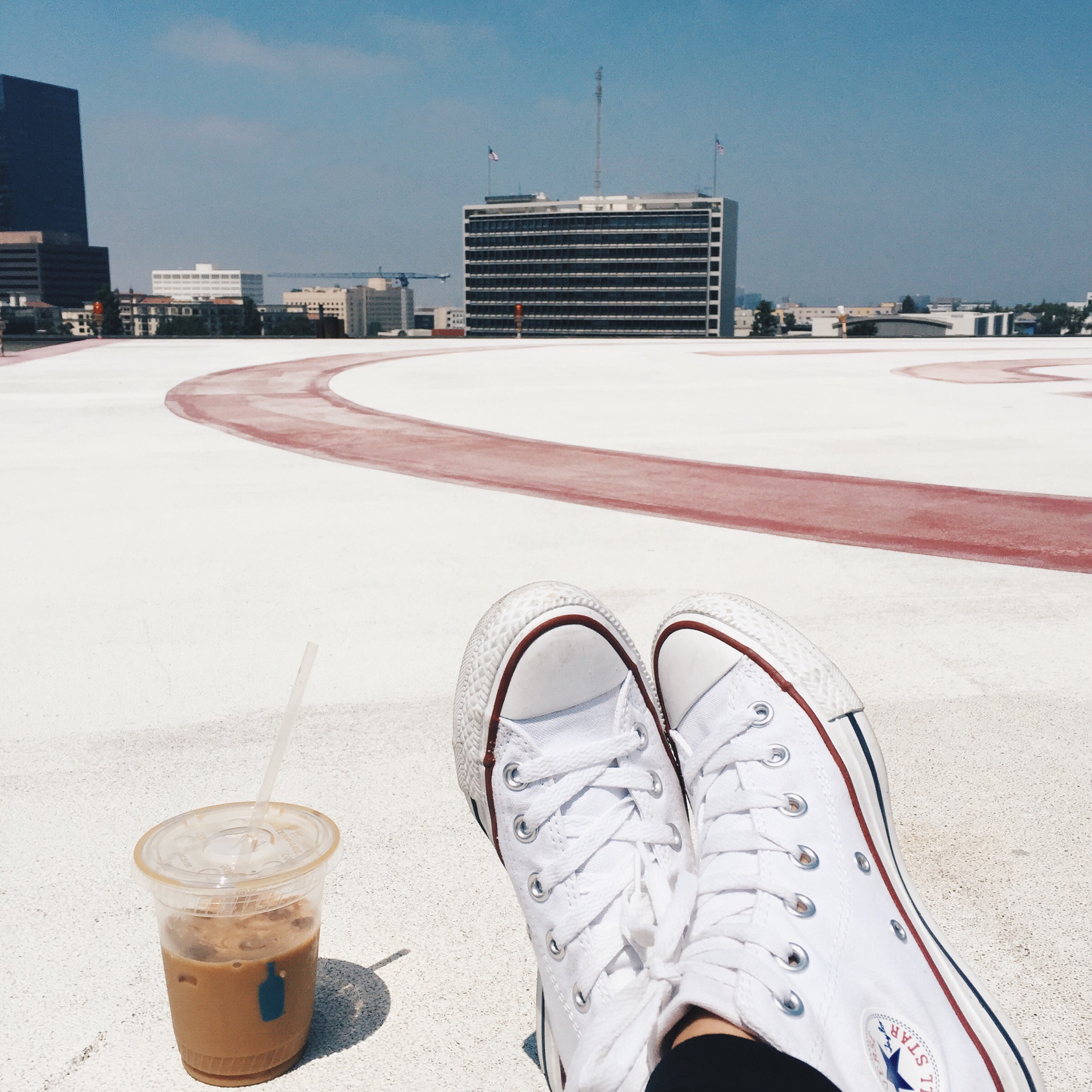
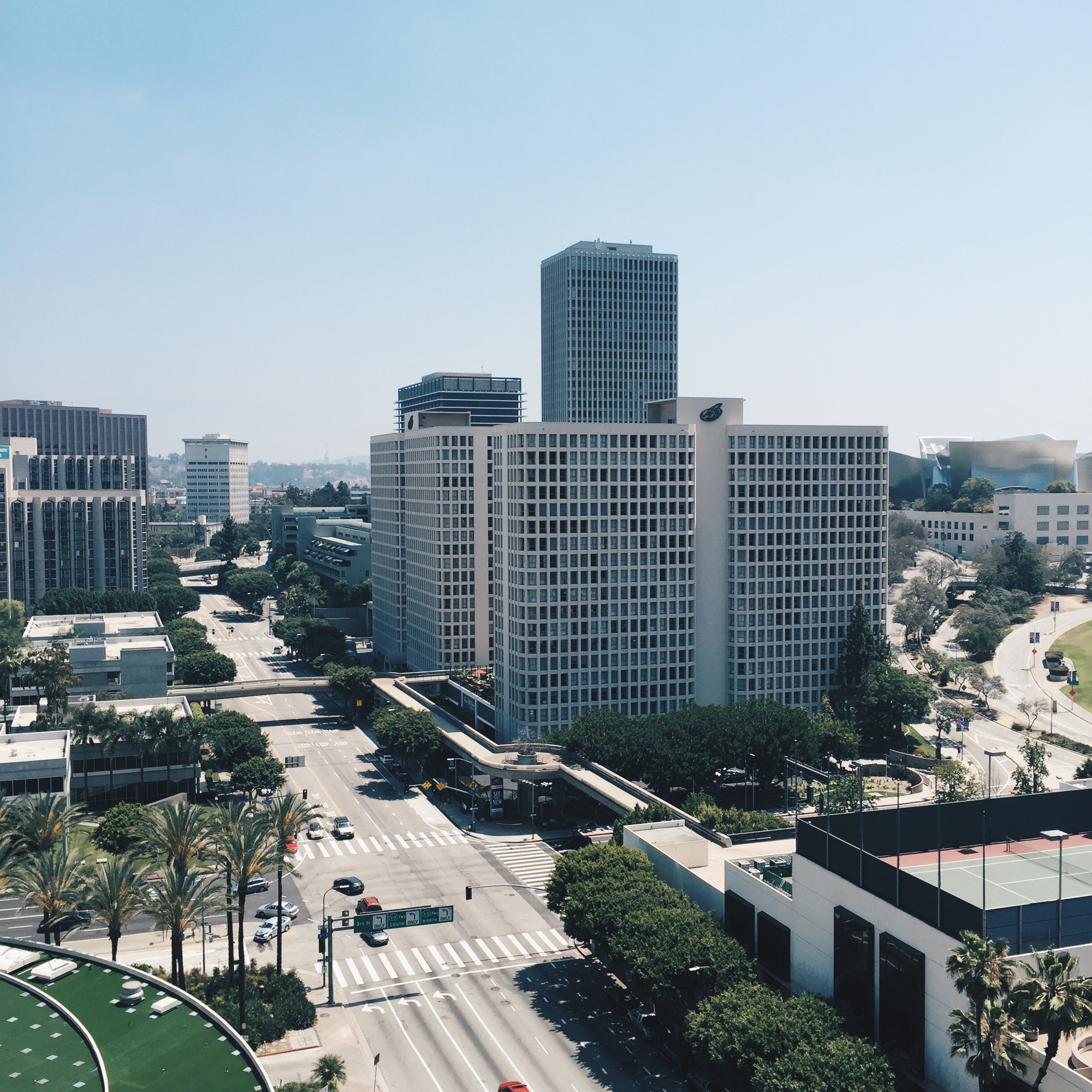 Sunday mornings are better with iced coffee & a rooftop view.
S I L E N C E.
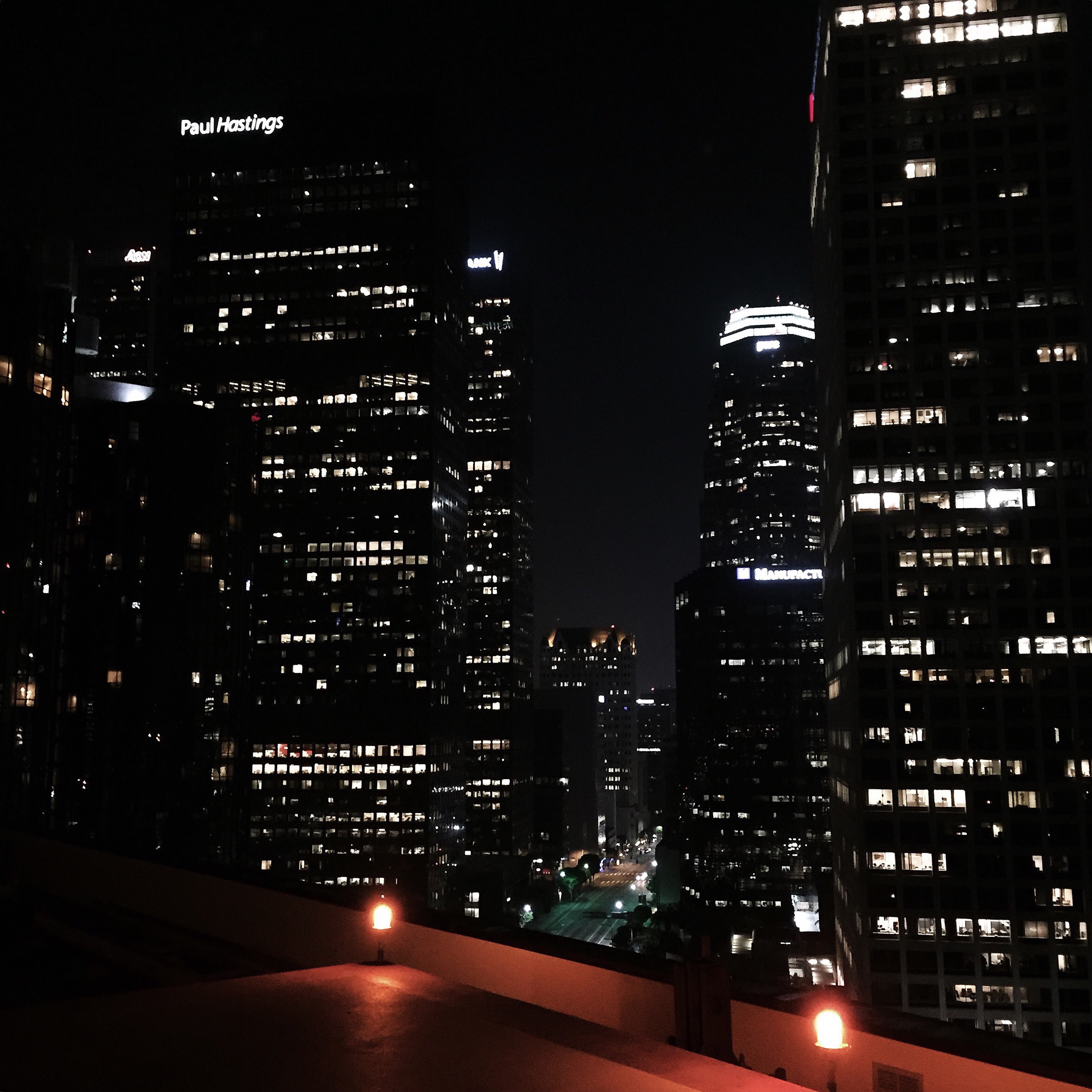 It takes noise to appreciate silence and when I stop to think about it, the digital age rarely gives many of us any moment of quietness. From everyday chatter to my cell phone buzzing, silence is rarely experienced and when it is, it’s only for a brief moment in time. Rooftops allow me to step away from the everyday chaos that life brings as well as the freedom to let go and appreciate the simple, yet fascinating things that surround me. I believe that living in the moment is taking in and appreciating the beauty around you & in order to do this, one must experience that time in silence.
A R C H I T E C T U R E.
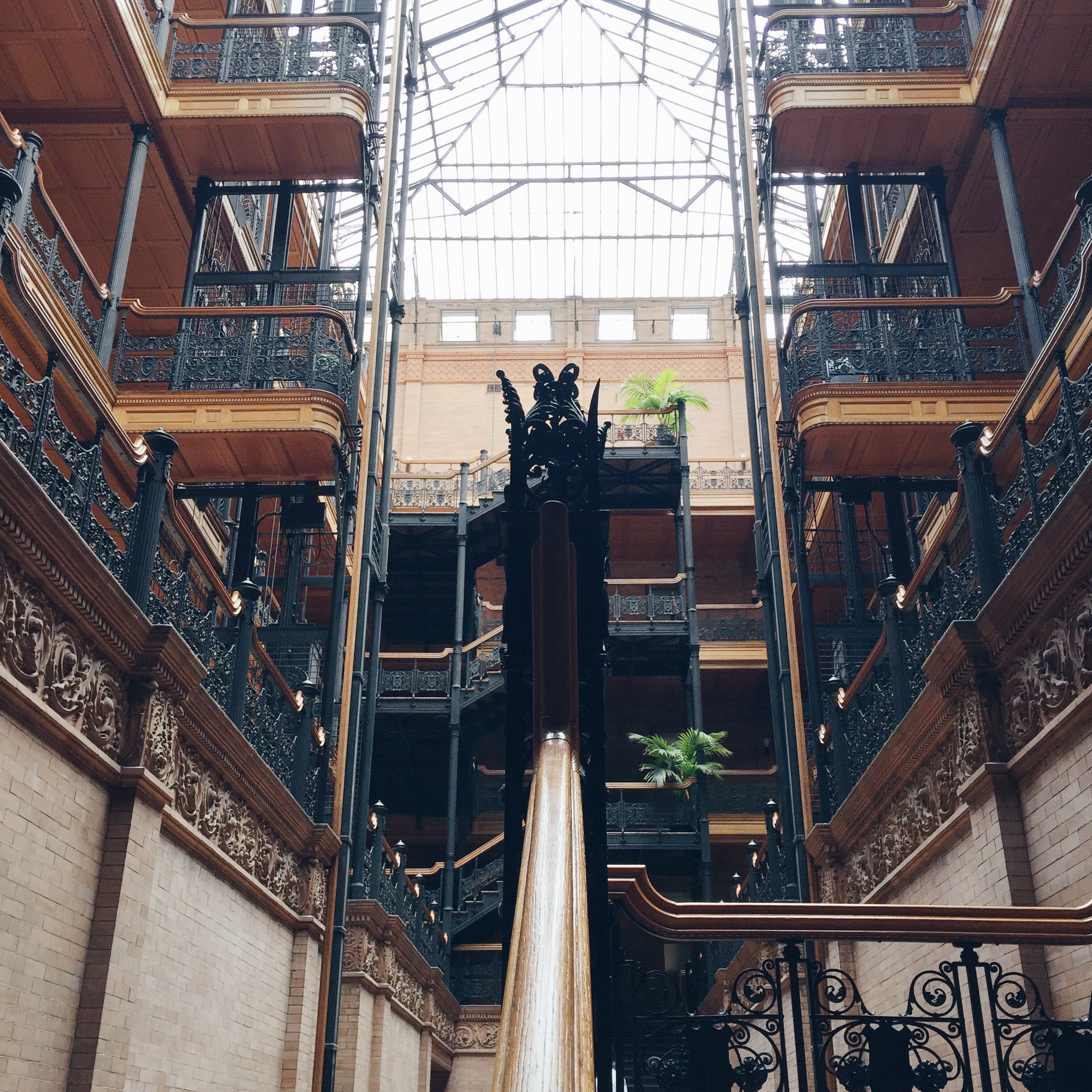
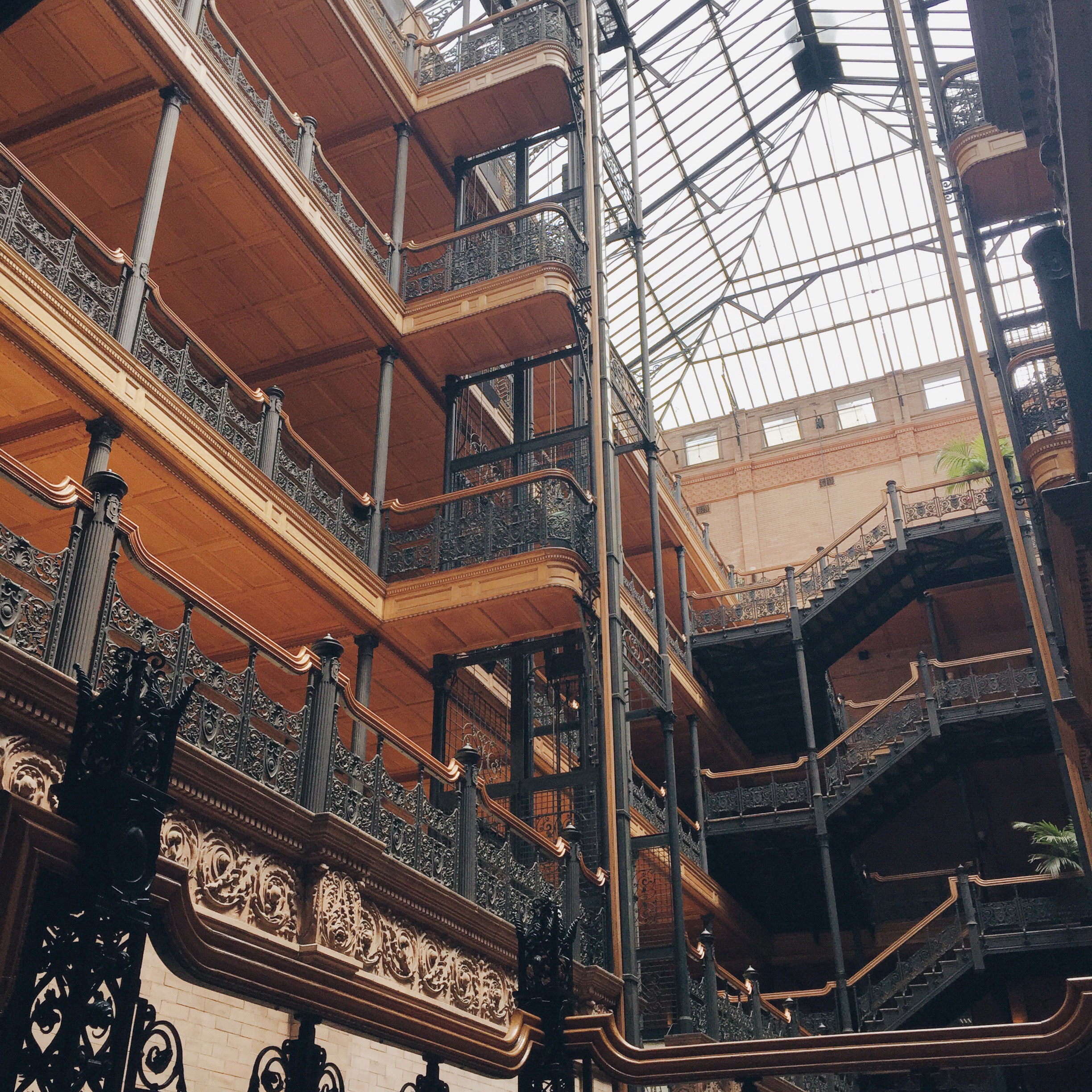 This past weekend I was able to get up close and personal with the oldest remaining commercial building in Los Angeles. The Bradbury Building is similar to an Italian Renaissance facade exposing its brown rich exterior. As I entered the doors, I was mesmerized by the eye-catching interior that forces you to look upward and appreciate the beauty of the sky light from above. The natural light allows you to see the polished wood along with its cast iron staircase and Italian marble floors giving you the feeling of a Parisian courtyard or foyer. In the film, 500 Days of Summer, Tom (Joseph Gordon-Levitt) attends a job interview inside the Bradbury Building. This scene perfectly depicts the authenticity of the building and the details of the famous cast iron staircase. The history and popularity of the Bradbury building has definitely become a tourist attraction for many & for me…it’s just another way to get closer to JGL.
 NAEMICHELLE